Taiwanese scientists find that NMN protects human skin cells against the accelerated aging effects of pervasive microscopic particles called particulate matter.
By Victor Ciardha www.nmn.com
Highlights:
Whether indoors or outside, chances are you are surrounded by particulate matter (PM) — harmful microscopic matter suspended in the air. These tiny particles, invisible to the naked eye, are not only dangerous if inhaled but also contribute to skin aging. Now, researchers from Hungkuang University and China Medical University in Taiwan may have found a way to limit the harmful effects of PM on our skin.
As reported in the International Journal of Molecular Sciences, Chang and colleagues use two naturally occurring molecules important for cellular energy production — nicotinamide mononucleotide (NMN) and coenzyme Q10 (Q10) — to protect skin cells from PM-induced skin aging. They show that human skin cells exposed to PM have increased levels of ROS and senescent cells. Both ROS and senescent cells were reduced by NMN, while only senescent cells were reduced by Q10. The Taiwanese researchers also show that inflammatory markers are reduced by NMN and Q10, while the longevity-associated enzyme sirtuin 1 is increased.
NMN Alleviates Particulate-Matter Induced Skin Aging
To study the effect of NMN and Q10 on PM-induced skin aging, Chang and colleagues exposed human skin cells to PM and then treated them with NMN or Q10. They found that skin cells exposed to PM had increased levels of ROS, molecules that can cause damage to cells. Treating PM-exposed skin cells with NMN lowered ROS levels, suggesting NMN reduces oxidative stress — damage caused to cells by ROS.

(Chang et al., 2022 | Int. J. Mol. Sci.) NMN Reduces Particulate Matter-Induced Reactive Oxygen Species (ROS). Human skin cells exposed to PM (PCM) have higher levels of ROS (measured by DCFH-DA fluorescence) than unexposed (control) skin cells. These ROS were reduced by NMN but not Q10.
As we age, our cells encounter cellular stressors such as oxidative stress, inflammation, and DNA damage. Cellular stress can cause our cells to go into a senescent state, whereby the affected cells no longer divide but promote inflammation, contributing to age-related disease. When Chang and colleagues exposed human skin cells to PM, they saw an increase in senescent cells. By treating the skin cells with either NMN or Q10, the number of senescent cells was reduced.
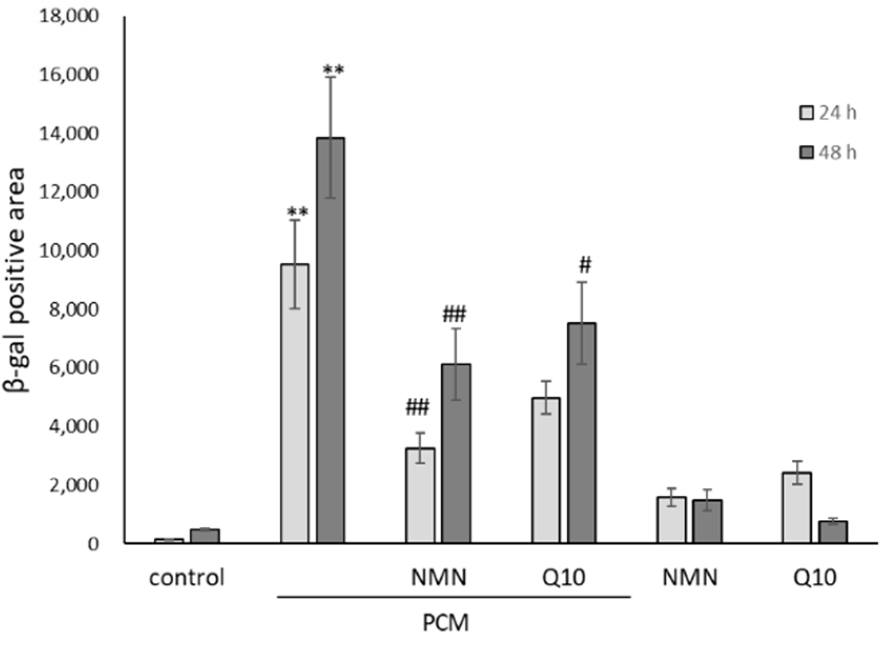
(Chang et al., 2022 | Int. J. Mol. Sci.) NMN Reduces Particulate Matter-Induced Senescent Cells. Human skin cells exposed to PM (PCM) have more senescent cells (measured by β-gal) than unexposed (control) skin cells. These senescent cells were reduced by both NMN and Q10.
Examination of PM-exposed skin cells revealed elevated levels of inflammatory markers, which Chang and colleagues showed were counteracted by both NMN and Q10 treatment. Additionally, the longevity-associated enzyme sirtuin 1 (SIRT1) was suppressed in PM-exposed skin cells. However, NMN and Q10 restored this important DNA-repairing enzyme. These findings suggest that NMN and Q10 protect the skin against PM-induced inflammation and potential DNA damage. Furthermore, NMN showed much stronger effects in comparison to Q10.
Protecting Ourselves Against Particulate Matter-Induced Aging
Studies have shown that long-term exposure to PM is associated with an increased risk of death and all diseases worldwide. Additionally, air pollution, which contains some of the most dangerous levels of PM, is associated with age-related conditions like olfactory decline, cognitive decline, osteoporosis, cardiovascular disease, and lung cancer.
NMN is an intermediate molecule used by our cells to make nicotinamide adenine dinucleotide (NAD+), which SIRT1 uses as fuel. In turn, SIRT1 prevents cellular senescence and protects against oxidative stress and DNA damage. Like Q10, NAD+ is also an important mediator of energy production and mitochondrial function. So, by boosting NAD+, can NMN protect our skin from PM and stop premature skin aging?
Similar to the findings of Chang and colleagues, researchers have recently shown that, in human skin cells, a combination of ultraviolet (UV) radiation and PM induces high levels of ROS, inflammation, and senescent cells. These aging markers were reduced by a vitamin C and E compound. Similarly, NMN has been shown to protect skin against UV damage in mice. Another recent study showed that PM promotes the production of skin melanin, which can be reduced by NMN in rodents.
Overall, while there is plenty of research to suggest that PM causes accelerated aging of the skin and other organs, there is limited research investigating how to protect against PM. Given the evidence, the next questions is whether topical application of NMN can protect the skin against aging in humans, as previous studies have shown that non-topical administration of NMN does so in animal models.
Story Source
Chang TM, Yang TY, Huang HC. Nicotinamide Mononucleotide and Coenzyme Q10 Protects Fibroblast Senescence Induced by Particulate Matter Preconditioned Mast Cells. Int J Mol Sci. 2022 Jul 7;23(14):7539. doi: 10.3390/ijms23147539. PMID: 35886889; PMCID: PMC9319393.
Journal Reference
Chen J, Hoek G. Long-term exposure to PM and all-cause and cause-specific mortality: A systematic review and meta-analysis. Environ Int. 2020 Oct;143:105974. doi: 10.1016/j.envint.2020.105974. Epub 2020 Jul 20. PMID: 32703584.
Sang S, Chu C, Zhang T, Chen H, Yang X. The global burden of disease attributable to ambient fine particulate matter in 204 countries and territories, 1990-2019: A systematic analysis of the Global Burden of Disease Study 2019. Ecotoxicol Environ Saf. 2022 Jun 15;238:113588. doi: 10.1016/j.ecoenv.2022.113588. Epub 2022 May 5. PMID: 35525115.
Ekström IA, Rizzuto D, Grande G, Bellander T, Laukka EJ. Environmental Air Pollution and Olfactory Decline in Aging. Environ Health Perspect. 2022 Feb;130(2):27005. doi: 10.1289/EHP9563. Epub 2022 Feb 9. PMID: 35139319; PMCID: PMC8828267.
Ailshire JA, Finch CE. Recently decreased association of air pollution with cognitive impairment in a population-based aging cohort and in a mouse model. Alzheimers Dement. 2022 May;18(5):1077-1078. doi: 10.1002/alz.12471. Epub 2021 Oct 7. PMID: 34617667.
Adami G, Cattani G, Rossini M, Viapiana O, Olivi P, Orsolini G, Bertoldo E, Fracassi E, Gatti D, Fassio A. Association between exposure to fine particulate matter and osteoporosis: a population-based cohort study. Osteoporos Int. 2022 Jan;33(1):169-176. doi: 10.1007/s00198-021-06060-9. Epub 2021 Jul 15. PMID: 34268604; PMCID: PMC8758604.
Konduracka E, Rostoff P. Links between chronic exposure to outdoor air pollution and cardiovascular diseases: a review. Environ Chem Lett. 2022 Apr 25:1-18. doi: 10.1007/s10311-022-01450-9. Epub ahead of print. PMID: 35496466; PMCID: PMC9036845.
Huang Y, Zhu M, Ji M, Fan J, Xie J, Wei X, Jiang X, Xu J, Chen L, Yin R, Wang Y, Dai J, Jin G, Xu L, Hu Z, Ma H, Shen H. Air Pollution, Genetic Factors, and the Risk of Lung Cancer: A Prospective Study in the UK Biobank. Am J Respir Crit Care Med. 2021 Oct 1;204(7):817-825. doi: 10.1164/rccm.202011-4063OC. Erratum in: Am J Respir Crit Care Med. 2022 May 15;205(10):1254. PMID: 34252012.
Kim S, Kim J, Lee YI, Jang S, Song SY, Lee WJ, Lee JH. Particulate matter-induced atmospheric skin aging is aggravated by UVA and inhibited by a topical l-ascorbic acid compound. Photodermatol Photoimmunol Photomed. 2022 Mar;38(2):123-131. doi: 10.1111/phpp.12725. Epub 2021 Aug 30. PMID: 34411336.
Ahn Y, Lee EJ, Luo E, Choi J, Kim JY, Kim S, Kim SH, Bae YJ, Park S, Lee J, Oh SH. Particulate Matter Promotes Melanin Production through Endoplasmic Reticulum Stress‒Mediated IRE1α Signaling. J Invest Dermatol. 2022 May;142(5):1425-1434.e6. doi: 10.1016/j.jid.2021.08.444. Epub 2021 Oct 19. PMID: 34678155.
Brito S, Baek JM, Cha B, Heo H, Lee SH, Lei L, Jung SY, Lee SM, Lee SH, Kwak BM, Chae S, Lee MG, Bin BH. Nicotinamide mononucleotide reduces melanin production in aged melanocytes by inhibiting cAMP/Wnt signaling. J Dermatol Sci. 2022 Jun;106(3):159-169. doi: 10.1016/j.jdermsci.2022.05.002. Epub 2022 May 7. PMID: 35610161.
Nicotinamide mononucleotide (NMN) supplementation activates longevity-promoting enzyme Sirtuin-1 to correct kidney damage and function in mice.
By Brett J. Weiss www.nmn.com
Highlights
Our kidneys filter out unwanted material from our bloodstream. As we get older, kidney scarring and tissue hardening can impair the ability of our kidneys to filter our blood, allowing proteins to escape into our urine with a condition called glomerulosclerosis. Treatments for severe levels of this age-related kidney dysfunction include dialysis or kidney transplants, both physically taxing procedures, so finding new ways to slow the progression of this condition is paramount.
Published in Scientific Reports, Wakino and colleagues from Tokushima University in Japan find that injecting 500 mg/kg/day of NMN reduces kidney damage in a mouse model for a rare disease called focal segmental glomerulosclerosis, which has similar pathology to age-related glomerulosclerosis. NMN restores the abundance of cells that are essential for kidney waste filtration called podocytes. What’s more, by boosting the essential molecule for cell health, nicotinamide adenine dinucleotide (NAD+), NMN increases the activation of the pro-longevity enzyme Sirtuin-1, which then reduces enzymes associated with kidney tissue damage. These findings provide the first evidence that NMN restores waste filtration cells in kidney disease.
NMN Reverses Kidney Dysfunction
Since higher urinary protein levels are associated with kidney damage and impaired filtration, Wakino and colleagues examined how NMN affects urine protein levels. The research team established a model for glomerulosclerosis by injecting mice with a chemotherapy drug (adriamycin) that causes kidney damage. The mice modeling kidney disease had dramatically increased levels of urine protein. However, treating these mice with NMN reduced urine protein levels, suggesting reduced kidney damage and corrected protein filtration.
Since NMN reduces urinary protein levels, the Tokushima-based research team surmised that NMN may preserve the abundance of podocytes, the kidney’s waste-filtering cells. They found reduced podocyte numbers in the kidney disease mice and, as expected, NMN increased these numbers. These findings indicate that NMN improves kidney function by restoring waste-filtering podocytes and to maintain urinary protein levels.

(Hasegawa et al., 2022 | Scientific Reports) NMN restores kidney function. The albumin-to-creatinine ratio (ACR), an indicator of urinary protein abundance, dramatically increases in adriamycin-induced glomerulosclerosis mice (ADR) compared to normal mice (Cont), but NMN (NMN500) ameliorates this effet. Also, podocyte numbers decline in ADR mice, but NMN restores their numbers.
Sirtuin-1 is an enzyme that, when activated, is associated with increased lifespan. Furthemore, low Sirtuin-1 levels are associated with age-related diseases like glomerulosclerosis. Because Sirtuin-1 utilizes NAD+ as fuel and NMN boosts NAD+ levels, Wakino and colleagues examined how NMN affects Sirtuin-1 levels in the kidney disease mice. The research team found that NMN restored the low Sirtuin-1 levels in the kidneys of the mice.
Higher Sirtuin-1 levels from NMN were also associated with kidney tissue preservation in the face of adriamycin treatment. Although adriamycin-induced kidney disease triggers much higher numbers of tissue lesions (damage), NMN restores the kidney tissue damage. Better tissue structure integrity results in better functional capacity.
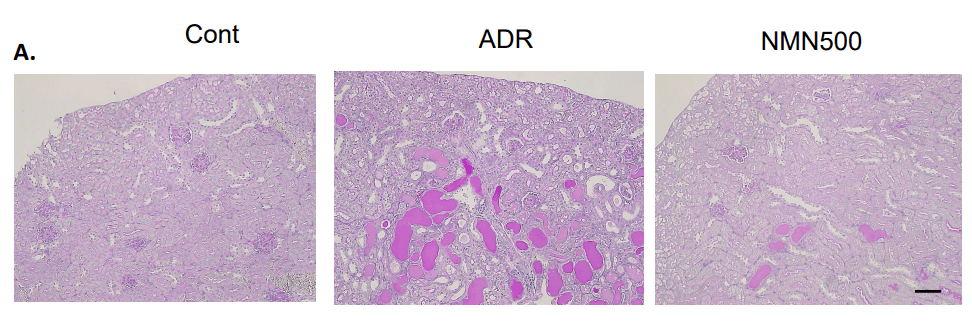
(Hasegawa et al., 2022 | Scientific Reports) NMN reduces kidney tissue damage. The various shades of pink mark kidney tissue and fat cells. The white-colored separations separating tissue are lesions. Adriamycin (ADR)-treated mice have dramatically more lesions (damage), however adding NMN treatment prevents lesion buildup.
NMN Preserves the Kidney’s Waste Filtration
The study is the first to examine how NMN affects a mouse model of glomerulosclerosis. The results show that by boosting NAD+ levels and activating Sirtuin-1, NMN reduces kidney damage and restores kidney function.
Other mouse studies examining NMN’s beneficial effects on kidneys have examined kidney scarring (fibrosis) models. This study demonstrates that NMN can also restore kidney waste filtration cells to improve kidney function. Since kidney dialysis and transplants have been the only means to treat age-related glomerulosclerosis, using NMN or related NAD+ metabolites may present new, less invasive ways to alleviate kidney disease.
Model and Dosage
Model: BALB/c mice
Dosage: 500 mg/kg/day NMN injected intraperitoneally
Hasegawa K, Sakamaki Y, Tamaki M, Wakino S. Nicotinamide mononucleotide ameliorates adriamycin-induced renal damage by epigenetically suppressing the NMN/NAD consumers mediated by Twist2. Sci Rep. 2022 Aug 12;12(1):13712. doi: 10.1038/s41598-022-18147-2. PMID: 35962139; PMCID: PMC9374671.
By Victor Ciardha www.nmn.com
A clinical study shows that 12 weeks of supplementation with the immediate NAD+ precursor NMN enhances sleep quality and lower limb function to potentially benefit physical and mental health.
Highlights
As we age, our sleep quality dissipates, facilitating cognitive decline and ultimately, depressive moods and states of mind. The resulting depression and diminished cognition lead to a snowball effect of falling out of shape while becoming frail. Age-associated frailty further increases the probability of diseases like metabolic disorders and cardiovascular ailments. This physiological scenario begs the question, “How can we intervene to improve sleep, physical performance, prevent frailty, and avoid age-related disease to increase the number of years we live in health?”
Okura and colleagues from Tsukuba University in Japan published in Nutrients showing that taking nicotinamide mononucleotide (NMN) in the afternoon for 12 weeks at 250 mg doses enhances physical function and reduces drowsiness in older adults. This treatment in study participants aged 65 years improves lower limb function, suggesting the prevention of an age-related loss of physical function. Moreover, overall drowsiness was significantly reduced, and sleep quality was improved as measured by sleep duration and sleep disturbance. Results from the study indicate that NMN supplementation may improve sleep and restore physical performance in older adults to extend the number of healthy years that we live.
Taking NMN in the Afternoon Improves Sleep Quality and Physical Function in Aged Adults
Okura and colleagues compared the effects of taking 250 mg capsules of NMN daily in the morning or afternoon over a 12-week time course. Study participants were aged 65 years and older, and those using too much caffeine, having too much stress, and taking sleeping medication or anti-depressants were excluded from the study. After applying these exclusion criteria, four groups with 27 subjects each were included: an NMN morning group, an NMN afternoon group, and an afternoon and morning placebo group.
To find out whether supplementing with NMN improves sleep quality, Okura and colleagues utilized a sleep quality analysis called the Pittsburgh Sleep Quality Index (PSQI). This analytical tool has been proven reliable in measuring subjective sleep quality by examining sleep duration, sleep disturbance, daytime dysfunction, sleep quality, and sleep efficiency. The results showed that afternoon NMN improves sleep duration and quality, as shown by a lower sleep disturbance score.
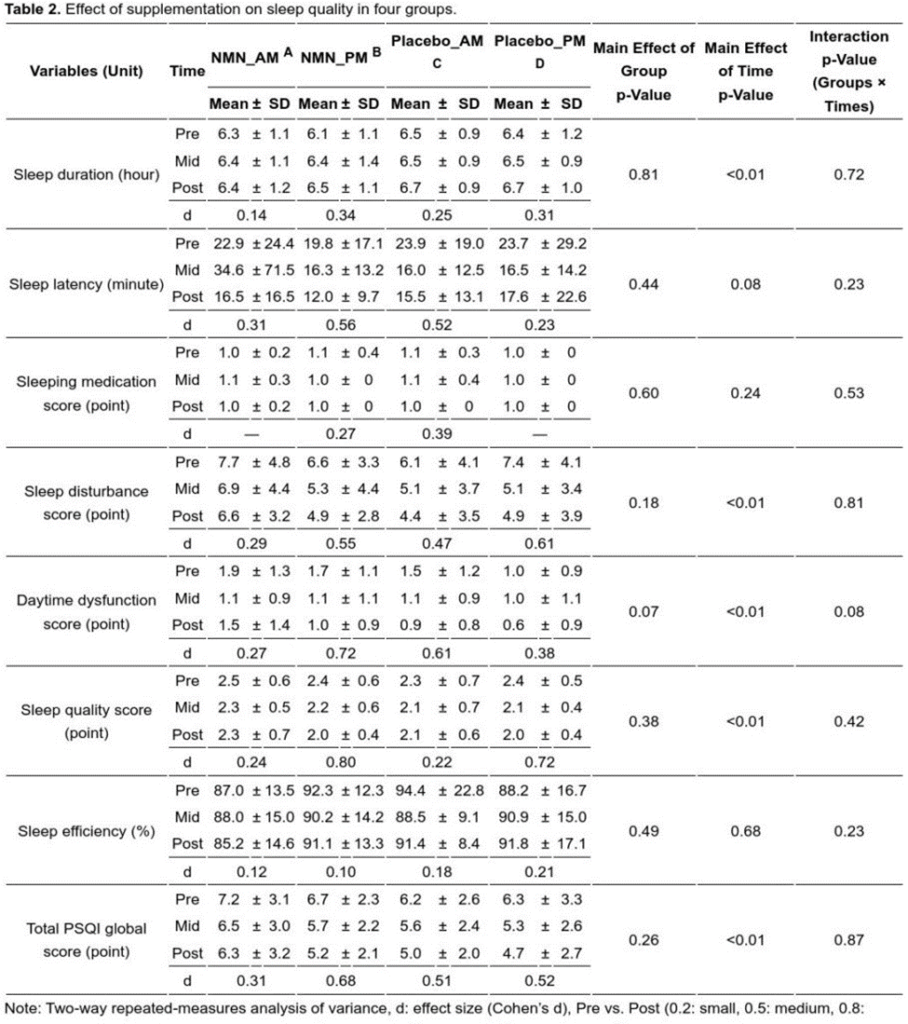
(Okura et al., 2022 | Nutrients) Measurements of sleep quality increased after NMN was consumed in the afternoon. Sleep duration, sleep quality, and overall sleep score assessments improved with afternoon NMN supplementation.
To then find out whether NMN supplementation during the afternoon improves the overall quality of life, the Japan-based research team measured indices of fatigue. They found that drowsiness significantly decreased along with mental dullness and total fatigue. Reductions in drowsiness and fatigue can enhance concentration and the capability to perform cognitive tasks.
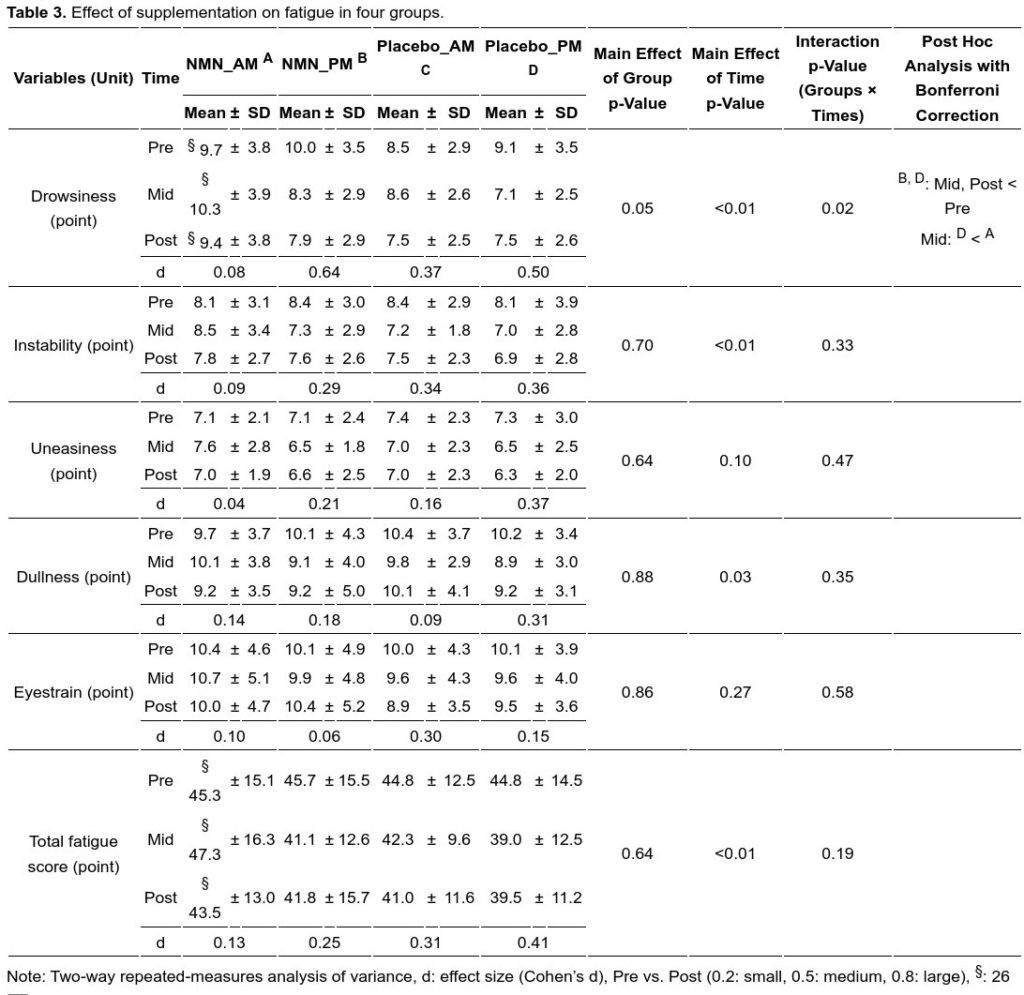
(Okura et al., 2022 | Nutrients) Supplementing with NMN in the afternoon reduces subjective measurements of drowsiness and total fatigue. Subjective measurements of drowsiness, instability (inability to focus) and total fatigue substantially decline with NMN intake during the afternoon.
Improvements in sleep positively affected measurements of physical function of adults aged over 65 years. For example, a measurement of physical fitness in the aged adults showed that durations from sitting to standing positions for five consecutive times improved significantly when NMN was administered in the afternoon. The timed up and go exercise improved substantially, also. These data show that having older adults take NMN improves their overall sleep and physical function, which may positively impact their moods and diminish their potential age-related depression. With depression alleviated by taking NMN in the afternoon, cognition may improve, leading to overall better health during aging (improved healthspan).
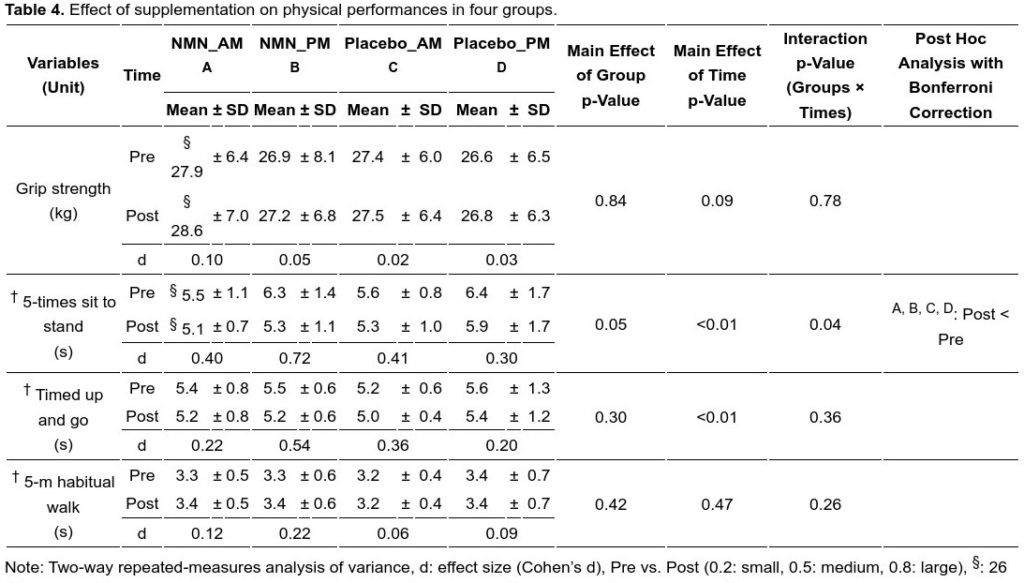
(Okura et al., 2022 | Nutrients) Supplementing with NMN in the afternoon enhances physical function in aged adults. NMN in the afternoon reduced the time it takes for 5-times sit to stand in aged adults, along with the physical feat of reducing the timed up and go task.
Taking NMN in the afternoon significantly improves sleep, reduces drowsiness, and improves overall physical fitness in aged individuals over age 65. Such a physiological scenario will improve one’s day-to-day attitude, which will improve one’s quality of life and extend the number of years that they live in overall good health (healthspan).
The data from this study is not the most impressive. There is statistically significant data showing that NMN improves physical function such as the five times sit-to-stand exercise. A big issue with the study is the subjective data showing that NMN improves sleep and drowsiness scores. This makes the connection between NMN improving sleep to improve physical function a stretch. The bottom line is that NMN improves physical function and subjective sleep scores; however, this correlation may not be causally linked. The only way to show whether this correlation actually exists is to provide more tangible sleep-related data showing that NMN enhances, for instance, the duration of dream sleep (REM sleep) to then diminish drowsiness. Otherwise, the data provided in this study is somewhat repetitive to previous studies that have shown that NMN improves physical function in humans.
Story Source
Kim M, Seol J, Sato T, Fukamizu Y, Sakurai T, Okura T. Effect of 12-Week Intake of Nicotinamide Mononucleotide on Sleep Quality, Fatigue, and Physical Performance in Older Japanese Adults: A Randomized, Double-Blind Placebo-Controlled Study. Nutrients. 2022 Feb 11;14(4):755. doi: 10.3390/nu14040755. PMID: 35215405; PMCID: PMC8877443.
Together with exercise training, NMN supplementation increases the endurance performance of middle-aged athletes by improving aerobic capacity.
Article first appeared in https://nmn.com
Summary
Athletes across the globe are constantly seeking ways to improve their endurance and athletic performance.
In recent years, we’ve accrued substantial research showing that supplementing with nicotinamide mononucleotide (NMN) increases exercise endurance, at least in rodents. So, do these NMN-related athletic endurance benefits apply to humans?
In a 2021 human trial, Hu and colleagues from Guangzhou Sport University published in the Journal of the International Society of Sports Nutrition showing that NMN powder taken orally can increase the aerobic capacity — the consumption of oxygen by our muscles — of adult runners.
What’s more, this NMN treatment also improves the ability of our skeletal muscles to utilise oxygen for more efficient energy production during endurance exercise. Hu and colleagues’ results support that NMN may increase athletic endurance by enhancing this skeletal muscle oxygen utilization capacity.
“NMN as adjunct treatment may help to improve performance during exercise training,” proposed Hu and colleagues. “Exercise training combining with NMN supplementation may be a novel and practical strategy to increase endurance performance of athletes.”
Do NMN’s Physiological Benefits Apply to People?
Over the past decade, research has shown the positive effects of NMN in rodents on healthy aging, improved longevity, and exercise performance. For example, NMN supplementation enhances energy production, increases physical endurance by over 50%, and helps with various physiological characteristics like neuron function and insulin sensitivity.
Moreover, some recent studies provide evidence that this research does indeed carry on into humans, with NMN improving insulin sensitivity in prediabetic menopausal women and muscle function in men over the age of 60. But whether the positive influence of NMN on health, aging, and exercise apply to younger adults has remained an open question.
Combining NMN with Training Improves Endurance Exercise
To determine whether healthy, middle-aged people can reap similar benefits from NMN, Hu and colleagues supplemented runners with 300, 600, or 1200 mg/day of orally administered NMN powder for six weeks.
During this time, these three dosage groups trained five to six times per week for 40-60 minutes and then underwent heart and lung (cardiopulmonary) exercise testing.
The endurance exercise testing revealed that the body’s ability to absorb oxygen and deliver it to tissues significantly improved with the 600 and 1200 mg/day dosages. Hu and colleagues also examined the effect of NMN on aerobic power, the muscles’ ability to use oxygen from the heart and lungs for energy production, which they found improved at these doses compared to runners who didn’t take NMN.
What’s more, the ventilatory threshold — the point where the breathing rate increases faster than oxygen absorption — significantly improved at 600 and 1200 mg/day doses with training. These findings show that taking NMN in addition to exercising can improve the body’s oxygen utilisation capabilities, especially at higher doses.
NMN is Well Tolerated at High Doses
Hu and colleagues examined whether NMN had any adverse effects on the runners. Importantly, none of the runners noted any detrimental physical events at the doses given. They did not find any abnormalities in heart examinations (electrocardiograms) or exercise testing, suggesting that middle-aged people can safely take doses up to 1200 mg/day.
Hu and colleagues’ results show that NMN improves skeletal muscle oxygen utilisation more than exercise alone.
“Our data suggest that skeletal muscle is one of the most sensitive tissues to NMN in humans,” said Hu and colleagues.
Supplementing Training Regimens with NMN to Improve Performance
The study’s findings that NMN and training improve middle-aged runners’ oxygen utilisation capabilities suggest that people can add NMN supplementation to their exercise regimens. Doing so may improve performance during training and could also increase endurance following weeks or months of training.
References
Nicotinamide mononucleotide supplementation enhances aerobic capacity in amateur runners: a randomized, double-blind study. https://jissn.biomedcentral.com/articles/10.1186/s12970-021-00442-4
Impairment of an Endothelial NAD+-H2S Signaling Network Is a Reversible Cause of Vascular Aginghttps://www.cell.com/cell/fulltext/S0092-8674(18)30152-1#relatedArticles
In potential breakthrough research, experts are measuring cell and tissue decline to better understand how we age and to make better aging therapeutics.
Published by Brett J. Weiss 2 April 2021
https://www.nmn.com/new1s/what-is-biological-aging
How do we define aging? Historically, we’ve counted the number of times we live while the Earth orbits the sun (chronological age in years), but nowadays we can also think about the accumulation of cell and tissue damage (biological age). Right now, the aging research field is having a “eureka” moment — we’re rapidly uncovering how and why we age and potential aging therapeutic options. What we’re starting to see is that the topic of biological aging is a key to understanding the aging process and may provide a means to achieve milestone, aging-related discoveries.
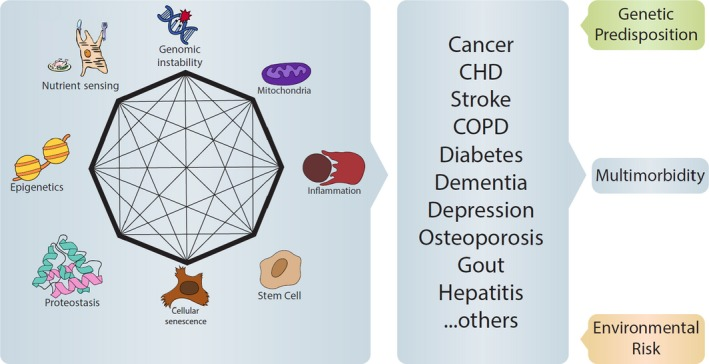
Getting at the heart of crucial biological concepts will help us understand what researchers are doing in this defining moment in the study of aging. These topics range from the level of DNA molecules and chromosomes to cells and tissues of the body.
Aging researchers have proposed that DNA damage that causes chromosome instability — where chromosomes lose structural integrity — is a primary cause of aging, affecting the quality of our cells’ molecular machines (proteins) that the DNA codes for. The underlying accumulation of DNA mutations, a concept referred to as “mutational load”, extensively contributes to chromosome instability. The idea is that with passing years, spontaneous, deleterious DNA mutations build-up resulting in “mutational load.” Although the aging effects of these mutations remain murky, such as how they alter proteins, DNA mutations seem to correlate with aging in tissues like skeletal muscle.
Another hot topic in biological aging research is chromosome end length. Scientists refer to these chromosome ends as “telomeres”, which appear to decay with age. What we’re finding is that the enzymes that facilitate their repair (telomerase) can’t keep up with their fraying and decay as aging progresses. So, researchers have sought ways to measure biological age by looking at chromosome end health, however, how telomere length affects aging remains unclear.
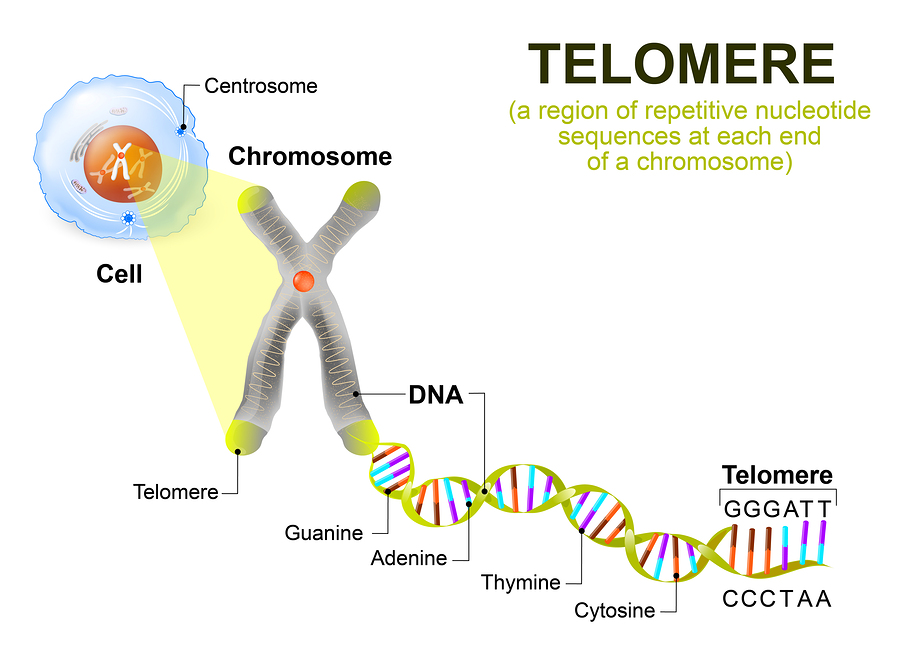
Another growing aging research concept is about cellular aging or “senescence.” When cells become senescent, that means they’ve reached an age-related, non-proliferating state. Researchers are still trying to figure out how senescence gets initiated. Interestingly, one way that cells become senescent appears to be linked to telomere shortening. Overall, quantifying senescent cell accumulation and burden on the body may provide an informative way to track biological aging. In fact, this method to measure biological aging may soon enter clinical research and medical practice, providing hope in elucidating the processes underlying aging.
Another way to measure aging is based on epigenetics, which is based on the accumulation of molecules that ornament our DNA called “methyl groups.” Studies show that “epigenetically older” individuals with more DNA methyl groups have a higher risk for developing age-related diseases. So, to measure biological age epigenetically and determine age-related disease risk, researchers have developed tools to measure and analyze accumulating patterns of DNA methyl groups. These techniques measuring biological age can help to determine what variables play into how fast passing years take a toll on the body and may also lead to methods to possibly even reverse biological age by manipulating patterns of DNA methyl groups.
The mitochondria, commonly referred to as the cell’s powerhouse, can also provide a way to measure biological aging. Mitochondria exist throughout the body, as cells need them to generate energy. As we age, mitochondria lose their ability to generate energy, which can lead to fatigue and age-related metabolic disorders. Research has shown that taking supplements called NAD+ precursors, such as nicotinamide mononucleotide (NMN), can boost mitochondrial production and function with possible effects on increasing energy levels and preventing age-related diseases.
The health of our blood vessels, or vascular health, can serve as biological indicators (biomarkers) that predict the occurrence of death (mortality). By applying what we know about blood vessel health and mortality risk, we can get a better idea of how fast people age.
These biomarker indicators of blood vessel health include measures of blood pressure and altered blood flow through vessels as well as blood vessel stiffness and the accumulation of plaque and calcium (calcification). Other blood vessel markers of aging not related to vessel structure and function include DNA mutations, markers of inflammation called interleukins, and protein-based indicators of blood vessel dysfunction. Perhaps in the future, by looking at these blood vessel biomarkers in younger adults, we can prevent age-related diseases and optimize solid health-related choices that improve each individual’s longevity.
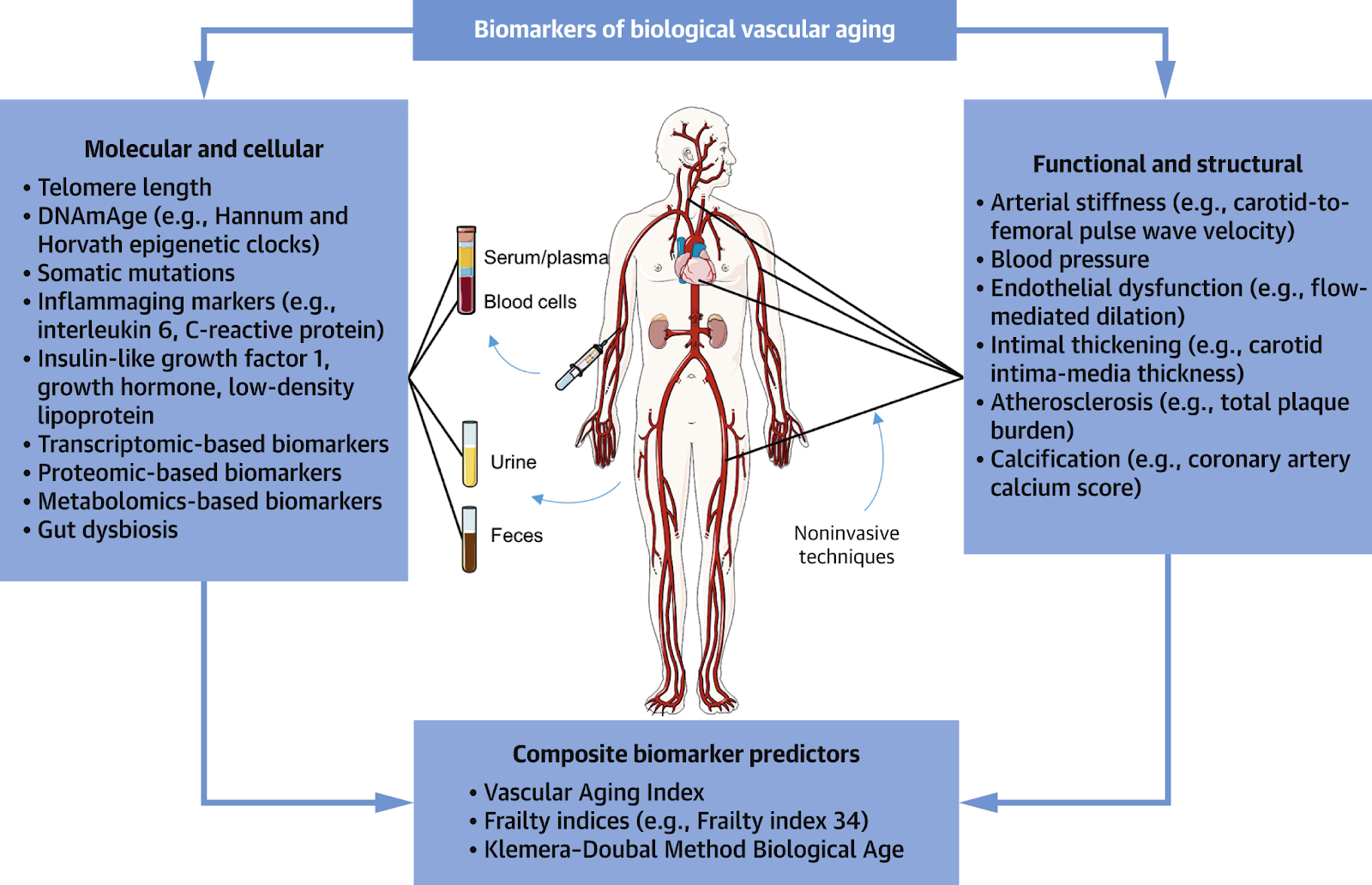
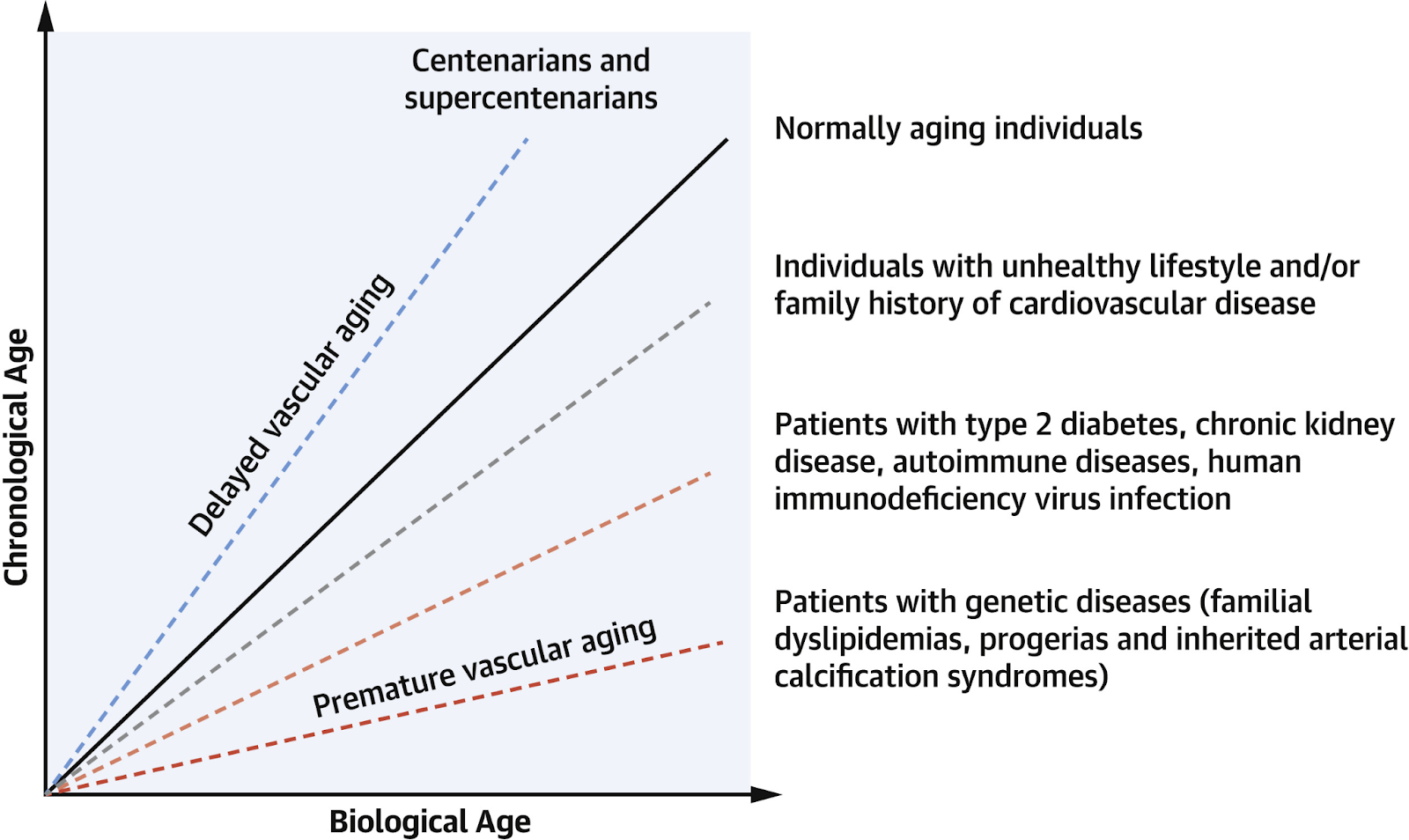
From using methods to measure biological aging to finding ways to prevent and mitigate age-related diseases, biological aging research is in its heyday for helping scientists who study aging make discoveries. Not only will measuring biological age help with predicting age-related diseases, but it can also help us study how people age and what factors contribute to their aging. New molecules, like NMN and other popular NAD+ precursors, can also help us to minimize the damage from aging and prevent age-related deteriorating health. Combinations of NAD+-boosting molecules along with other anti-aging compounds may pave the way to lifespan extension therapies in the future. In due time, it’s probable that research will continue to provide insight to help us get a better handle on biological aging to improve our quality of life and help us live longer. Treating aging itself could also lead to breakthrough discoveries in age-related disease treatments for ailments like cancer, stroke, diabetes, and Alzheimer’s disease.
Researchers fight off childhood neurodegenerative disease characteristics rooted in NAD+ deficiency, mitochondrial damage, and senescence
Published by Jonathan D. Grinstein, Ph.D. 12 April 2021
https://www.nmn.com/news/nad-boosting-protects-human-cells-from-premature-aging-disease
· Mitochondrial dysfunction drives premature aging seen in ataxia telangiectasia (A-T).
· Enhancing mitochondrial recycling by boosting NAD+ is a potential therapeutic intervention for (A-T).
Ataxia telangiectasia (A-T) is a devastating, complex genetic disorder characterized by degeneration of the nervous system often during infancy or early childhood. Premature aging diseases like A-T are often linked to breakdown and leakage of the battery packs that generate energy for our cells (mitochondria) and senescence — an arrest in cell growth and replication that’s necessary to keep our organs from decaying. These phenomena happen in natural aging too, but don’t take off so early in life and at such a rapid rate. But whether cells freeze up and mitochondria crash hasn’t been explored regarding A-T.
In an article published in Aging Cell, Yang and colleagues from the National Institute on Aging demonstrate that the buildup of damaged mitochondria and senescent cells occurs in cells from A-T patient as well as cultured human cells and mice that model the disease. The research team based out of Bethesda, Maryland, find that boosting levels of nicotinamide adenine dinucleotide (NAD+) — a molecule at the core of many processes, including mitochondrial function and recycling — clears damaged mitochondria and prevents senescence in A-T models.
These findings link the neurological symptoms of A-T directly to senescence and the loss of healthy mitochondrial populations within cells.
“Our data support the concept that targeting the maintenance of mitochondrial quality may have potential roles in the prevention of senescence and neuroinflammation in neurodegenerative diseases,” concluded Yang and colleagues.
In humans, loss of a particular molecular machine (enzyme) results in A-T, a rare inherited genetic disease characterized by neurodegeneration as well as cancer predisposition, sterility, and immune deficiency. A-T patients also suffer from a variety of inflammatory characteristics, which are thought to be rooted in the failed development of certain immune cells.
The enzyme ATM kinase, which is encoded by the ataxia telangiectasia-mutated (ATM) gene, is a master regulator of the DNA repair responses. When DNA gets damaged, ATM gets activated. While some major features of A-T reflect inefficient DNA repair, how this all translates into neurodegeneration in A-T is poorly understood.
There are clues that unresolved DNA damage can impair mitochondrial function, promote disease development, and accelerate aging, as reported in A-T. One clue about the inner workings of A-T may lie in the growing evidence that persistent DNA damage and senescence are linked.
Another driver of age-related decline is the loss of mitochondrial function. Multiple lines of evidence point to mitochondrial dysfunction as a component of A-T features. Dysfunctional mitochondria can induce senescence in cultured cells and animals. Driving mitochondrial function is a molecule called NAD+, which is deficient in ATM-deficient neurons. But, little is known about the connections between senescence, inflammation of the nervous system, mitochondrial dysfunction, and NAD+.
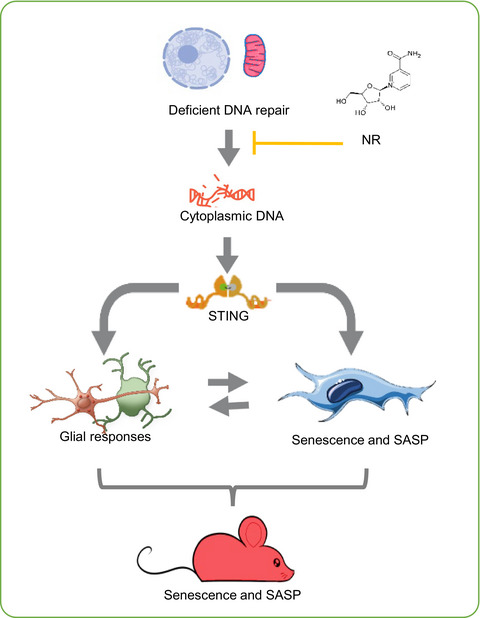
In this study, Yang and colleagues looked at whether mitochondrial dysfunction and senescence were at play in cells from A-T patients as well as ATM-deficient neural cells and mice. They found that cells from A-T patients and those lacking ATM have impaired mitophagy — the process of clearing damaged mitochondria — and consequently promotes the release of mitochondrial DNA into the cytoplasm. This build up of cytoplasmic DNA triggers an antiviral immune response in the brain called STING, which initiates a robust pro-inflammatory response and senescence linked to the deficient health span in ATM-deficient mice.
Yang and colleagues went on to show that the accumulation of fragmented DNA floating around in the cytoplasm dropped by boosting the cell levels of NAD+. They think that the NAD+ boosting works by activating mitophagy because the NAD+ precursor nicotinamide riboside (NR) failed to prevent senescence following inhibition of mitophagy.
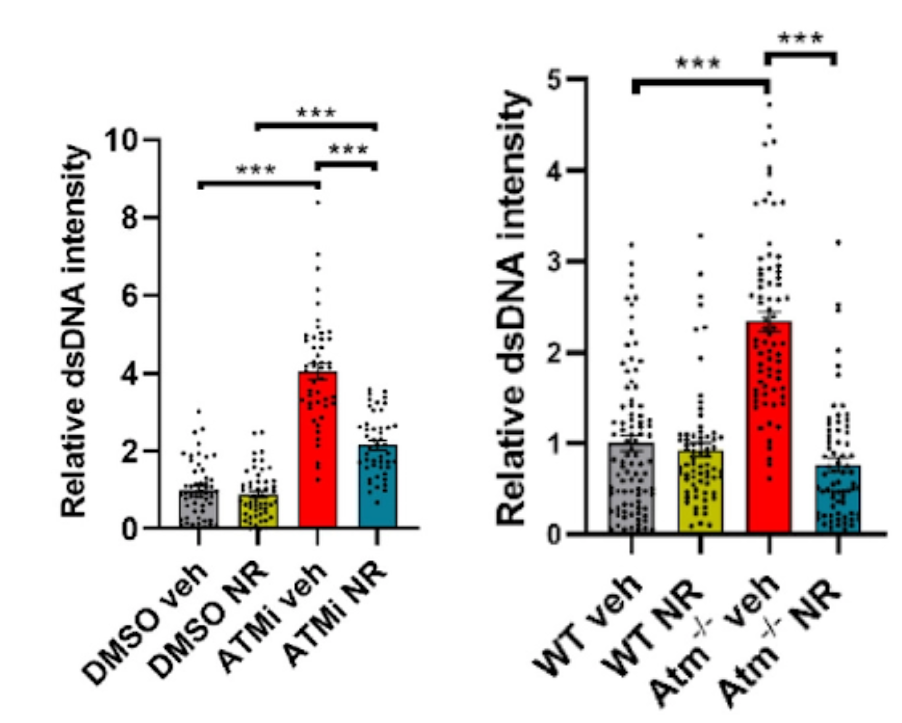
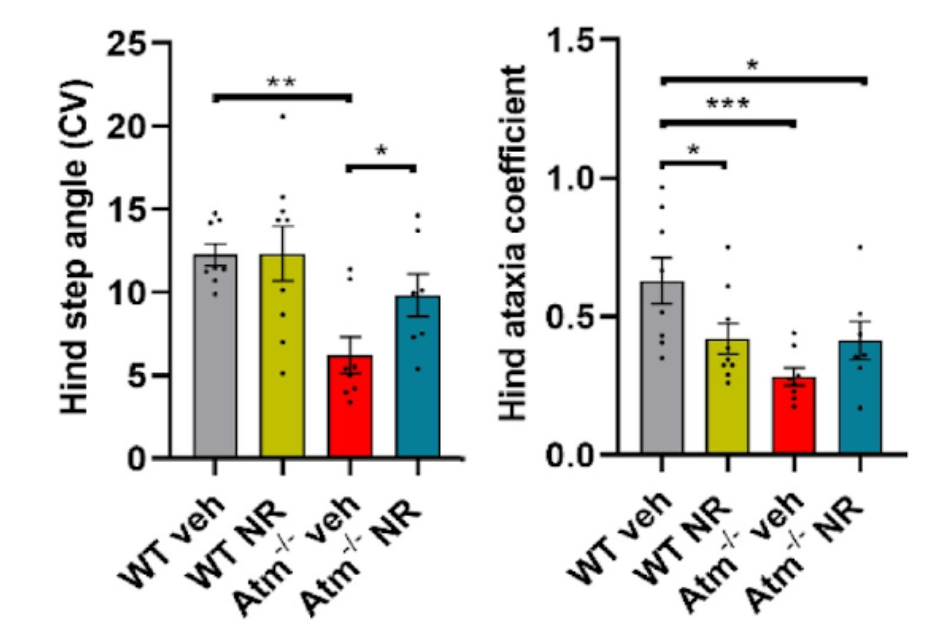
The National Institute on Aging research team also found that the effects of enhancing NAD+ levels affected not only ATM-deficient cells but also at the level of behavior. In mice lacking ATM, NR prevented neuroinflammation and senescence through enhancing mitochondrial function, reducing cytoplasmic DNA and preventing activation of STING in ATM-deficient cells and mice. ATM-deficient mice also regained motor function when their NAD+ levels were restored.
As NAD+ plays important roles in a multitude of molecular and cell processes, including DNA repair, mitochondrial function, and senescence, supplementation of NAD+ is critical and beneficial in settings like A-T or normal aging where NAD+ levels are low. But whether elevating NAD+ levels can prevent aging in humans remains to be determined. Studies are needed to test whether this is applicable in A-T patients and other premature aging conditions prior to be made available in a clinical setting.