A growing body of research suggests we may be looking at aging the wrong way by focusing on many separate “problems” instead of a central driver: our mitochondria, the tiny power plants inside our cells that generate energy.
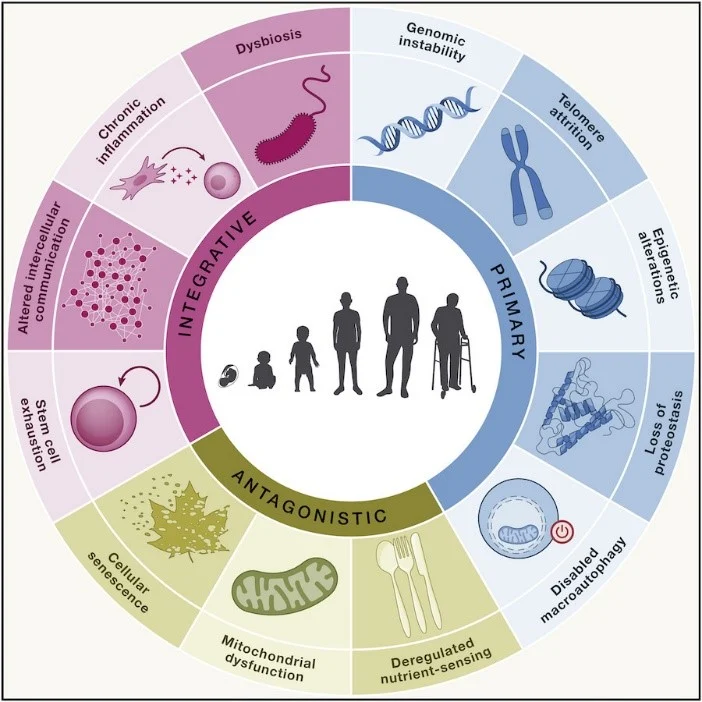
In 2013, scientists outlined nine “hallmarks of aging,” including genomic instability, loss of proteostasis, and mitochondrial dysfunction, to describe the main biological processes that drive aging.
A decade later, three more were added chronic inflammation, disabled macroautophagy, and dysbiosis bringing the total to twelve interconnected hallmarks.
Not all researchers agree that these hallmarks are equally important. A growing camp argues that mitochondrial dysfunction may be the upstream trigger that aggravates many of the others, making it one of the most crucial factors in how and why we age.
Why Mitochondria Matter So Much
Mitochondria produce ATP (adenosine triphosphate), the universal energy currency that powers nearly every cellular function.
Cells such as those in the heart can contain thousands of mitochondria, reflecting the immense energy needs of highly active tissues.
As mitochondria generate ATP, they also produce reactive oxygen species (ROS), highly reactive molecules that in small amounts act as important signaling messengers.
When mitochondria become dysfunctional, ROS production can surge, creating oxidative stress that damages DNA, proteins, and lipids, and feeds directly into several hallmarks of aging such as genomic instability, cellular senescence, and chronic inflammation.
Lifestyle: The First Line of Mitochondrial Defense
Two everyday habits overeating and being sedentary have an outsized impact on mitochondrial health.
Overeating, especially calorie-dense processed foods high in refined sugars and fats, can overwhelm mitochondria and drive excessive ROS production.
Whole foods like fruits and vegetables, which are nutrient-rich and lower in calories per volume, better support efficient metabolism and help protect mitochondria from oxidative damage.
A sedentary lifestyle reduces mitochondrial biogenesis, the creation of new mitochondria, and often leads to more body fat and less muscle mass.
With fewer mitochondria handling excess calories, oxidative stress can rise even further, accelerating age-related damage and contributing to stem cell exhaustion and tissue degeneration.
Targeted Nutrients for Mitochondrial Support
Beyond diet and movement, certain nutritional compounds may help support mitochondrial function as we age.
NAD+ (nicotinamide adenine dinucleotide) is essential for mitochondrial ATP production and fuels protective enzymes called sirtuins; its levels tend to be lower in older and obese individuals.
Precursors such as nicotinamide, nicotinamide riboside (NR), and nicotinamide mononucleotide (NMN) can raise NAD+ levels and are being explored as longevity-supporting ingredients.
Urolithin A has been shown to stimulate mitophagy, the process that selectively clears out defective mitochondria to maintain a healthy mitochondrial network.
Combining NAD+ boosters with mitophagy activators, as in multi-ingredient nutraceuticals like Restorin, may offer a synergistic strategy for targeting mitochondrial dysfunction.
Rethinking Aging: Energy First
Aging is almost certainly multifactorial, and scientists still debate whether mitochondrial dysfunction is the single “root cause” of degenerative aging.
However, because every hallmark of aging ultimately depends on adequate ATP, maintaining mitochondrial health through smart nutrition, regular physical activity, and potentially targeted supplements may be one of the most powerful ways to increase our chances of living longer, healthier lives.